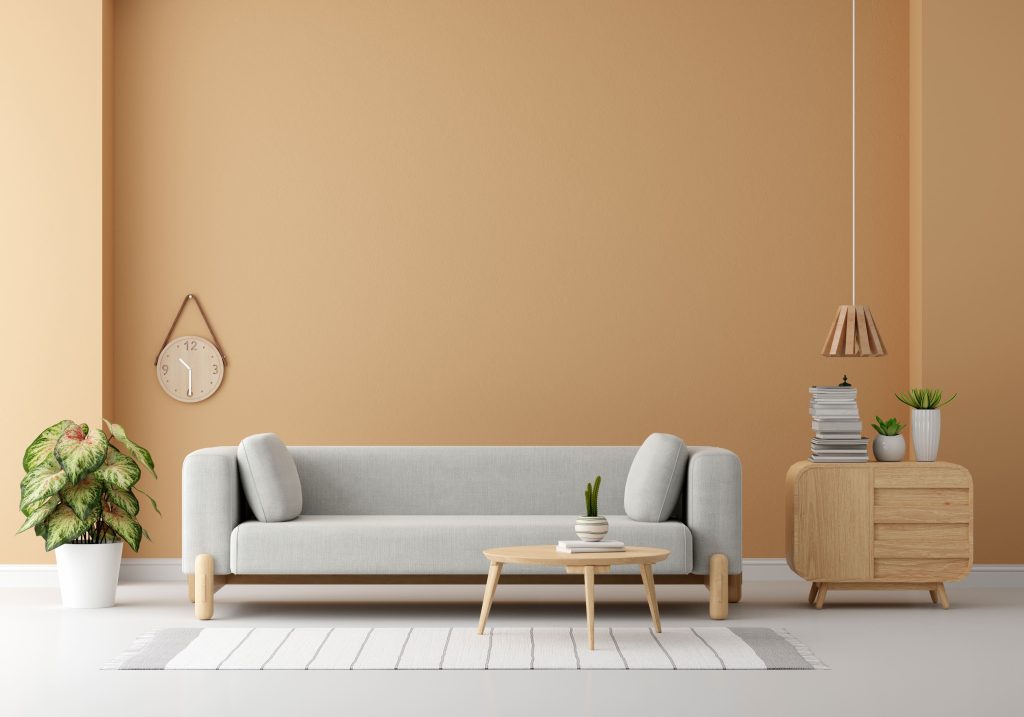
Modern furniture has become one of the most popular choices for homeowners and businesses looking to create clean, functional, and stylish spaces. Defined by simplicity, innovation, and practicality, modern furniture goes beyond aesthetics — it enhances how people live and interact with their environments.
If you’re planning to redesign your home or office, here are five important things you should know about modern furniture before making your next purchase.
1. Modern Furniture Focuses on Functionality First
One of the core principles of modern furniture is function over decoration. Every piece is designed with purpose, ensuring comfort, usability, and efficiency.
Unlike traditional furniture that often emphasizes heavy ornamentation, modern designs prioritize:
- Clean usability
- Smart storage solutions
- Ergonomic comfort
- Space optimization
This makes modern furniture ideal for contemporary lifestyles where practicality and flexibility are essential.
2. Clean Lines Define the Style
Modern furniture is instantly recognizable because of its simple lines and uncluttered appearance. You’ll notice:
- Smooth surfaces
- Minimal detailing
- Geometric shapes
- Neutral silhouettes
These design elements create a calm and organized atmosphere, helping rooms feel more open and visually balanced.
3. Materials Play a Major Role
Modern furniture embraces a mix of traditional and innovative materials. Instead of relying solely on wood, designers combine materials to achieve durability and style.
Common materials include:
- Metal and steel accents
- Glass surfaces
- Engineered wood
- Leather and performance fabrics
- Sustainable composites
This combination creates furniture that feels lightweight yet strong, modern yet timeless.
4. Neutral Colors Are the Foundation
Modern interiors often rely on neutral color palettes to maintain a sophisticated look. Popular tones include:
- White and off-white
- Grey and charcoal
- Beige and earthy shades
- Black accents
Neutral bases allow homeowners to easily update décor using cushions, artwork, or lighting without replacing major furniture pieces.
5. Modern Furniture Supports Modern Living
Today’s homes demand flexibility — especially with remote work, smaller living spaces, and multifunctional rooms becoming common. Modern furniture adapts to these needs through:
- Modular sofas
- Expandable dining tables
- Multi-purpose storage units
- Compact workspace solutions
This adaptability ensures your furniture evolves with your lifestyle instead of becoming outdated quickly.
Final Thoughts
Modern furniture is more than a design trend — it’s a practical approach to creating comfortable, efficient, and visually appealing spaces. By focusing on simplicity, functionality, and quality materials, modern furniture helps transform interiors into environments that feel both stylish and livable.
Whether you’re furnishing a new home or upgrading an existing space, understanding these key principles will help you make smarter design decisions that stand the test of time